South Africa
South Africa
Synergos works for systemic change in South Africa by strengthening collaborative leadership, partnerships and institutions that promote equitable access to basic human rights and services.
Our goal is to make a major contribution to the reduction of poverty by working with our partners increase impact, go to scale, and implement solutions that are sustainable.
Government Service Delivery
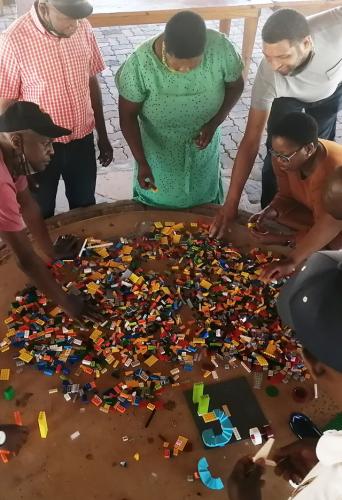
Synergos is working in the Eastern Cape to improve local governance by building collaboration between the civil society (Makana Circle of Unity (MCU), the Makana East community (poorly resourced and disadvantaged) and Makana Municipality for service delivery and socio-economic development.
We facilitate this work, which uses our bridging leadership approach, in partnership with Kagiso Trust and Kagiso Institute for Inner Work.
Social Connectedness
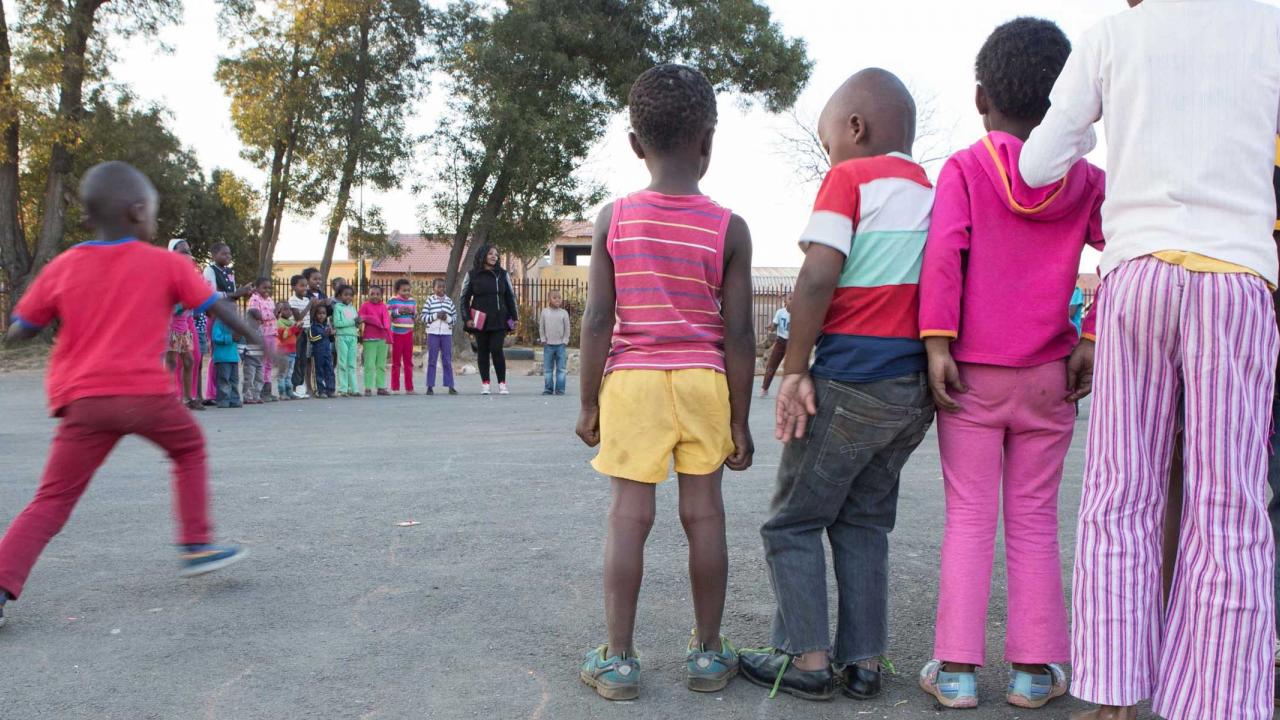
A hidden dimension of poverty that greatly affects children who lose parents or live in poverty is the sense of isolation and lack of meaningful social connections. Studies show this impedes their learning, health and capacity to function successfully as members of society. Social connectedness is the alleviation of social isolation, which is both a contributing factor to and a consequence of poverty.
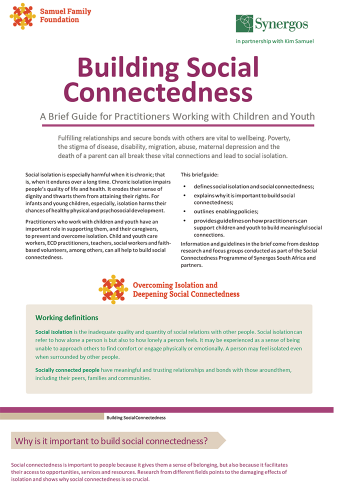
Synergos’ Social Connectedness Program in Southern Africa aims to address social isolation in the context of poverty. It was established in partnership with and with support from the Samuel Family Foundation.
Our approach is to partner with global, regional and local organizations to influence the policies, programs, and practices of organizations in Southern Africa that serve children.
Southern Africa is home to a rich diversity of well-established, respected organizations that already occupy a trusted place in thousands of communities. We call these partners multiplier organizations because of their innate capacity to boost social connectedness in the communities they serve. By coming alongside these organizations, starting conversations about the benefits of social connectedness, and providing them with trainings and tools to incorporate it into their intervention approaches, program designs, practices, and training curricula, we help them reduce isolation among thousands of children and youth.
Our approach:
- Fosters relationships among children and youth with community members who are positioned to act on their behalf
- Builds networks of linkages between caregivers and community leaders who can advocate for the children they work with
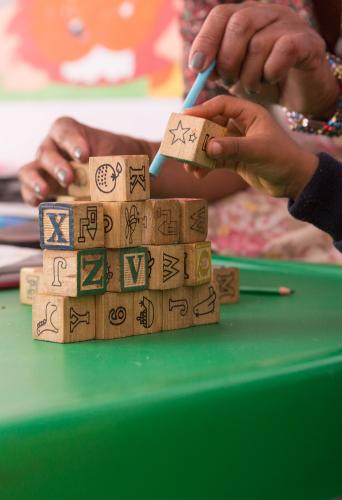
- Trains trainers and offers trainings and materials to individuals, such as teachers and caregivers, who work in the life-space of the child
This work is part of an emerging movement for social connectedness begun by Kim Samuel and led by the Samuel Centre for Social Connectedness, bringing together a growing, committed community of practice and networks of individuals and organizations around the world.
For more information
Marlene Ogawa, Country Director
southafrica@synergos.org